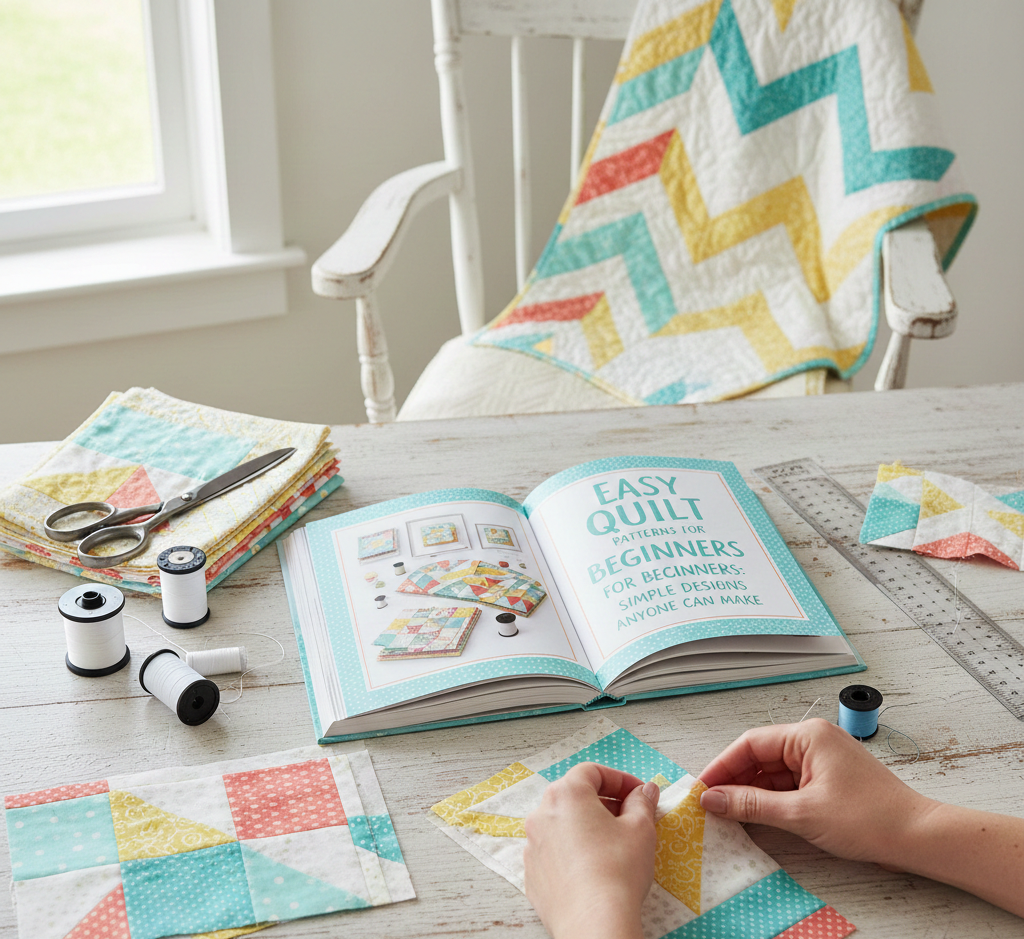
Quilting is a creative and rewarding craft, but for many beginners, getting started can feel overwhelming. Complex patterns, detailed measurements, and unfamiliar tools often make new quilters hesitate. The good news is that quilting does not have to be complicated. With the right approach, easy quilt patterns for beginners make it possible for anyone to create a beautiful quilt using simple techniques and basic supplies.
In this guide, you will discover beginner-friendly quilt patterns, learn what makes a quilt pattern easy, understand which supplies you need, and follow practical tips to complete your first quilting project with confidence.
What Makes a Quilt Pattern Beginner-Friendly?
Not all quilt patterns are created equal. Beginner quilt patterns focus on simplicity, repetition, and clear construction methods.
An easy quilt pattern for beginners usually includes:
- Straight seams only
- Large fabric pieces or blocks
- Simple shapes like squares and rectangles
- Minimal fabric cutting
- Clear step-by-step instructions
These features help beginners focus on learning basic quilting skills without frustration.
Why Start With Easy Quilt Patterns?
Starting with simple quilt patterns offers many benefits for new quilters.
Build Confidence Quickly
Completing a quilt, even a small one, gives beginners a sense of accomplishment and motivation to continue learning.
Learn Essential Quilting Skills
Easy patterns help beginners practice core skills such as:
- Accurate cutting
- Sewing straight lines
- Pressing seams
- Matching corners
Save Time and Materials
Beginner patterns often use fewer fabrics and less complex layouts, making them budget-friendly and less time-consuming.
Best Easy Quilt Patterns for Beginners
Below are some of the most popular and beginner-approved quilt patterns.
1. Patchwork Quilt Pattern
Patchwork quilts use simple fabric squares sewn together in rows. This is often the first quilt pattern beginners try.
Why it’s great:
- Easy cutting
- Repetitive sewing
- Perfect for scrap fabrics
2. Strip Quilt Pattern
Strip quilts are made by sewing long fabric strips together, then cutting them into blocks.
Why it’s great:
- Minimal measuring
- Fast assembly
- Excellent for beginners using a rotary cutter
3. Checkerboard Quilt
This pattern alternates two fabrics in a grid layout.
Why it’s great:
- Simple design
- Easy fabric coordination
- Clean, classic look
4. Whole Cloth Quilt
A whole cloth quilt uses a single fabric for the quilt top.
Why it’s great:
- No piecing required
- Focus on quilting stitches
- Ideal for learning hand or machine quilting
5. Rail Fence Quilt Pattern
This pattern uses strips sewn together and rotated to create a dynamic design.
Why it’s great:
- Easy construction
- Looks complex but is simple
- Perfect for beginners wanting visual impact
Essential Supplies for Beginner Quilting Projects
Having the right tools makes quilting easier and more enjoyable.
Basic Quilting Supplies
- Cotton quilting fabric
- Rotary cutter
- Self-healing cutting mat
- Quilting ruler
- Sewing machine (or needle for hand quilting)
- Cotton thread
- Pins or clips
- Iron and ironing board
Tip: Start with 100% cotton fabric, as it is easier to cut, sew, and press.
Choosing Fabric for Easy Quilt Patterns
Fabric choice can greatly affect your quilting experience.
Best Fabric for Beginners
- 100% cotton quilting fabric
- Pre-cut fabric bundles (charm packs or jelly rolls)
- Medium-weight fabric
Fabric Tips for Beginners
- Avoid stretchy or slippery fabrics
- Stick to light or medium colors to see stitches clearly
- Wash and press fabric before cutting
Step-by-Step Guide: Making Your First Easy Quilt
This simple overview shows how beginner quilt patterns typically come together.
Step 1: Cut Your Fabric
Cut fabric into squares or strips based on your chosen pattern. Take your time for accuracy.
Step 2: Sew the Quilt Top
Sew pieces together using a consistent ¼-inch seam allowance. Press seams after each step.
Step 3: Create the Quilt Sandwich
Layer:
- Quilt top
- Batting
- Backing fabric
Secure layers with pins or spray baste.
Step 4: Quilt the Layers
Use straight-line quilting for beginners. Stitch along seams or in evenly spaced lines.
Step 5: Bind the Quilt
Attach binding around the edges to finish your quilt neatly.
Common Mistakes Beginners Should Avoid
Even easy quilt patterns can go wrong if beginners rush.
Cutting Fabric Incorrectly
Measure twice, cut once. Inaccurate cuts lead to misaligned blocks.
Skipping Pressing
Pressing seams flat is essential for a smooth quilt top.
Ignoring Seam Allowances
Most quilt patterns use a ¼-inch seam. Consistency is key.
Choosing Complex Patterns Too Soon
Stick with easy quilt patterns for beginners until basic skills feel comfortable.
Tips for Success With Easy Quilt Patterns
- Start small (lap quilts or baby quilts)
- Use pre-cut fabric to reduce cutting errors
- Read the entire pattern before starting
- Practice on scrap fabric
- Take breaks to avoid fatigue
Confidence grows with every project you complete.
Sustainable and Handmade Benefits of Quilting
Quilting supports a sustainable lifestyle by:
- Using fabric scraps
- Reducing textile waste
- Creating long-lasting handmade items
Many beginners enjoy quilting not only as a craft but also as a mindful and eco-friendly hobby.
Selling Beginner Quilts and Quilt Projects
Once comfortable with easy quilt patterns, beginners can explore selling their work.
Popular beginner quilt items include:
- Baby quilts
- Table runners
- Wall hangings
- Quilt covers
Selling handmade quilts can be a rewarding way to turn a hobby into income.
Final Thoughts
Easy quilt patterns for beginners make quilting accessible, enjoyable, and rewarding. With simple designs, basic tools, and step-by-step techniques, anyone can create a beautiful quilt—even on their very first try.
Start with patterns that focus on straight seams and repetition, take your time, and enjoy the process. Quilting is not about perfection—it is about creativity, patience, and the joy of making something with your own hands.