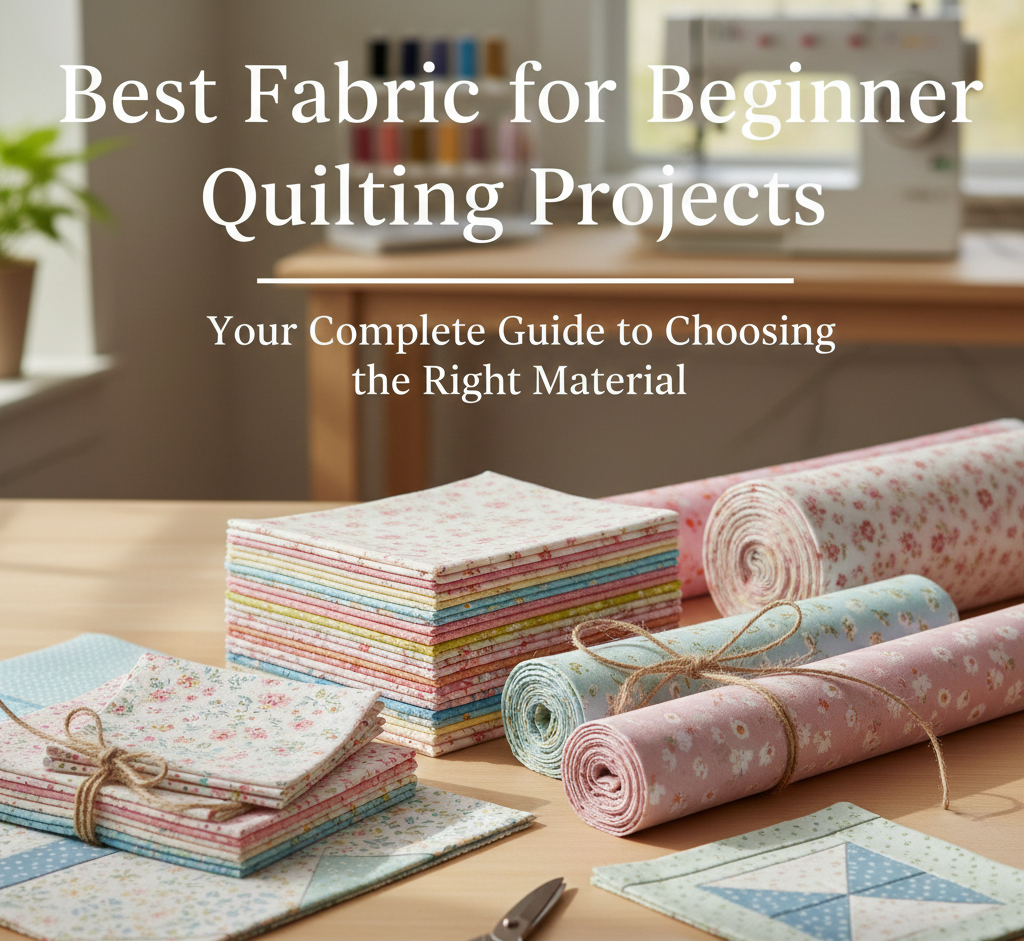
You’ve decided to make your first quilt, and now you’re standing in a fabric store (or browsing online) staring at hundreds of bolts of beautiful fabric. There’s cotton, quilting cotton, cotton poplin, cotton lawn, voile, batiks, flannel, linen, and countless other options. The colors and patterns are gorgeous, but you have no idea which type will actually work for quilting. Should you go with the $4/yard bargain cotton or invest in the $12/yard designer quilting cotton? Will cheaper fabric ruin your project, or is expensive fabric just marketing hype?
Here’s the truth: choosing the right fabric makes a massive difference in how enjoyable your quilting experience is and how successful your finished quilt turns out. But you don’t need to be intimidated or confused. Once you understand a few basic principles about fabric types, weights, and quality, choosing fabric becomes straightforward and even fun.
In this comprehensive guide, we’ll break down everything you need to know about fabric for beginner quilting projects. You’ll learn which fabric is best for learning, how to identify quality, where to find good deals, and which expensive specialty fabrics you can skip entirely. By the end, you’ll be able to walk into any fabric store with confidence, knowing exactly what to look for.
Why Fabric Choice Matters for Beginners
Before we dive into specific fabric types, let’s talk about why this decision is so important, especially when you’re learning.
The Right Fabric Makes Learning Easier
According to quilting experts and fabric specialists, beginners often struggle with issues like fraying edges, shifting seams, fabric stretching out of shape, patterns that don’t align properly, and finished projects that pucker or warp. These frustrations often have nothing to do with your skills and everything to do with fabric choice.
High-quality, beginner-appropriate fabric:
- Cuts cleanly without excessive fraying
- Maintains its shape during cutting and sewing
- Shows your stitches clearly (helping you see and learn)
- Feeds smoothly through your sewing machine
- Holds seam allowances consistently
- Responds predictably to pressing
The Wrong Fabric Creates Unnecessary Frustration
Low-quality or inappropriate fabric for quilting:
- Stretches and distorts as you work with it
- Frays excessively at the edges
- Doesn’t hold creases when pressed
- Creates uneven seams
- Bleeds color onto other fabrics
- Shrinks unpredictably after washing
Many beginners assume they’re “bad at quilting” when actually they’re just fighting against problematic fabric. Starting with the right material sets you up for success.
The Gold Standard: Quilting Weight Cotton
The verdict from experts worldwide: 100% quilting weight cotton is unequivocally the best fabric for beginner quilting projects.
Let’s break down exactly what makes quilting cotton special and why it’s recommended so universally.
What Is Quilting Weight Cotton?
Quilting weight cotton (also called quilter’s cotton) is a specific type of cotton fabric manufactured specifically for quilt making. Here are its defining characteristics:
Fiber Content: 100% cotton (no polyester, no blends, no synthetic fibers)
Weight: Medium weight, typically 140-160 grams per square meter (gsm) or 4-5 ounces per square yard. This falls in the perfect middle ground – not too thin and not too heavy.
Weave: Plain weave (also called tabby weave) – the simplest type of weave where one warp thread crosses over one weft thread in a basic crisscross pattern. This creates a strong, stable fabric.
Thread Count: High thread count of at least 60 x 60 threads per inch (minimum 120 total), with premium quilting cottons reaching 70-80 threads per inch. Higher thread count means tighter weave, less fraying, better durability, and softer hand feel.
Width: Typically 42-45 inches wide (sometimes up to 108 inches for backing fabrics)
Finish: Crisp, stable finish that holds shape well during cutting and sewing
Why Quilting Cotton Is Perfect for Beginners
Research from quilting fabric manufacturers and educational resources in 2025 highlights several key reasons quilting cotton excels for beginners:
1. Stability and Shape Retention
Quilting cotton’s medium weight and tight weave mean it doesn’t stretch, distort, or shift during cutting and sewing. According to fabric experts, this stability is crucial for maintaining accurate 1/4-inch seam allowances and ensuring blocks fit together properly.
When you press seam allowances, quilting cotton holds the crease. When you cut with a rotary cutter, the edges stay clean and precise. This predictable behavior builds your confidence as a beginner.
2. Minimal Shrinkage
Quality quilting cotton shrinks predictably at only 1-2% when washed. According to quilting educators, this minimal shrinkage ensures your blocks remain the correct size and your finished quilt dimensions stay accurate.
Lower-quality cottons can shrink 5-10% or more, completely distorting your careful measurements and causing blocks to end up different sizes.
3. Minimal Fraying
The tight weave of quilting cotton resists fraying at cut edges. While some minimal fraying is normal with any cotton, quilting cotton’s construction keeps this to an absolute minimum. This is especially important when working with small pieces or intricate patterns.
4. Easy to Handle
Quilting cotton has enough body to be easy to maneuver under a sewing machine needle without being stiff or difficult to work with. As one quilting educator notes, it’s “light enough to glide smoothly through a sewing machine, yet sturdy enough to resist slipping, fraying, or distorting.”
5. Takes Press Beautifully
Pressing (ironing) is essential in quilting for setting seams and keeping your work flat and accurate. Quilting cotton responds perfectly to heat and steam, accepting and holding creases exactly where you want them.
6. Widely Available
Quilting cotton comes in literally thousands of colors, prints, patterns, and styles. Whether you want modern geometric designs, traditional florals, whimsical novelty prints, or solid colors, quilting cotton offers endless options.
7. Works with Standard Supplies
Quilting cotton works perfectly with standard quilting needles (size 80/12 universal or quilting needles), regular cotton thread, and standard sewing machine settings. You don’t need special equipment or techniques.
Understanding Quilting Cotton Quality Levels
Not all quilting cotton is created equal. Understanding quality tiers helps you make informed decisions.
Premium Quilting Cotton ($11-18 per yard)
Characteristics:
- Thread count 70-80+ per inch
- Long-staple cotton fibers (stronger, softer, less lint)
- Vibrant, colorfast dyes
- Consistent quality across the bolt
- Minimal shrinkage and bleeding
- Soft, silky hand feel
- Designed by well-known fabric designers
Examples of premium brands:
- Moda Fabrics
- Robert Kaufman Fabrics
- Art Gallery Fabrics
- Riley Blake Designs
- Free Spirit Fabrics
- Michael Miller Fabrics
- Andover Fabrics
- Cloud9 Fabrics
Mid-Range Quilting Cotton ($6-11 per yard)
Characteristics:
- Thread count 60-70 per inch
- Good quality cotton fibers
- Acceptable color consistency
- Moderate shrinkage (2-3%)
- Available at chain fabric stores
- Decent durability
Budget Quilting Cotton ($4-8 per yard)
Characteristics:
- Thread count 50-60 per inch
- Variable quality
- Higher shrinkage potential (3-5%)
- More prone to fading and bleeding
- Thinner, less substantial feel
- May fray more readily
Which quality should beginners choose?
This is where expert opinions vary slightly, but here’s the consensus:
For practice and learning basic techniques: Mid-range or even budget quilting cotton from stores like Joann, Hobby Lobby, or Walmart works fine. As one quilting educator explains, “when we are learning a new craft such as quilting, we won’t be experts right away. This means we’ll make a fair share of mistakes, and those mistakes are a lot less stressful when we spend $4-8/yard for fabric than $12+/yard.”
For your first “real” quilt you want to keep: Invest in mid-range to premium quilting cotton. The better quality ensures your hard work results in a quilt that lasts for years and looks professional.
The sweet spot for most beginners: Mid-range quilting cotton at $8-10/yard offers good quality without breaking the bank. Watch for sales and use coupons to get premium brands at mid-range prices.
How to Spot Quality Quilting Cotton
When shopping, use these tests to identify quality fabric:
1. The Light Test Hold the fabric up to light. If you can easily see through it (like looking through a window), the thread count is too low and the weave is too loose. Quality quilting cotton should be relatively opaque.
2. The Hand Feel Test Rub the fabric between your fingers. Quality quilting cotton feels smooth, soft, and slightly silky. Lower-quality cotton feels rough, papery, or stiff.
3. The Stretch Test Pull gently on the fabric along the grain (parallel to the selvage edge). Quilting cotton should have minimal give. If it stretches significantly, it’s not true quilting cotton.
4. The Thread Count Check Look at the fabric label or bolt information. It should list thread count. Look for minimum 60 x 60 (120 total). Higher is better.
5. The Price Reality Check If cotton fabric costs $2-3/yard, it’s likely not quality quilting cotton. The raw materials, manufacturing process, and design costs for true quilting cotton make it impossible to produce at that price point.
Alternative Fabrics: When and How to Use Them
While quilting cotton is the gold standard for beginners, understanding other fabric options helps you make informed choices as you progress.
Cotton Poplin
What it is: Lightweight, crisp cotton with a smooth finish
Weight: 100-140 gsm (3-4 oz per yard) – lighter than quilting cotton
Best for: Lightweight summer quilts, quilt tops that will be hand-quilted (lighter weight is easier on hands)
Challenges for beginners:
- More prone to showing quilting stitches through the fabric
- Less forgiving of tension issues
- Requires more careful handling
Expert verdict: Can work for quilting but not recommended as first choice for beginners. Save for when you’re more comfortable with basic techniques.
Cotton Lawn
What it is: Very lightweight, fine cotton with a smooth, almost silky texture
Weight: 70-100 gsm (2-3 oz per yard) – significantly lighter than quilting cotton
Best for: Delicate projects, clothing, baby items where ultra-soft finish is desired
Challenges for beginners:
- Too lightweight for most quilts
- Difficult to handle without puckering
- Seam allowances may show through fabric
- Requires stabilizers or special techniques
Expert verdict: Not recommended for beginners. Wait until you’re experienced with standard quilting cotton.
Muslin
What it is: Plain, unbleached or white cotton fabric
Weight: Varies widely (look for medium-weight around 140-160 gsm)
Best for: Practice projects, quilt backs (economical option), foundations for paper piecing
Benefits for beginners:
- Very affordable ($3-5/yard)
- Great for practicing techniques without wasting expensive fabric
- Neutral color won’t distract from learning stitch quality
Challenges:
- Limited to plain colors (no prints)
- Not as soft as premium quilting cotton
- May have slight imperfections (seeds, slubs)
Expert verdict: Excellent choice for practice quilts and learning. Not ideal for your “forever” quilt due to lack of visual interest.
Broadcloth
What it is: Plain-weave cotton fabric, similar to quilting cotton but often slightly lighter
Weight: 100-150 gsm (slightly variable)
Best for: Simple quilts with solid colors, backing fabric, practice projects
Challenges:
- Quality varies significantly between brands
- Often lower thread count than premium quilting cotton
- May shrink more than quilting cotton
Expert verdict: Acceptable for beginners, especially for practice. Choose quilting cotton when possible for better results.
Cotton Flannel
What it is: Brushed cotton with soft, fuzzy texture on one or both sides
Weight: Medium to heavy (heavier than quilting cotton)
Best for: Cozy winter quilts, baby quilts, quilt backs for extra softness
Benefits:
- Incredibly soft and warm
- Available in many colors and prints
- Perfect for quilts intended for cold weather
Challenges for beginners:
- Heavier weight makes quilting more difficult
- Requires adjustment of sewing machine tension and presser foot pressure
- Can stretch more easily than quilting cotton
- Shrinks more (3-5%) – pre-washing essential
- Creates thicker seam allowances (can be bulky)
Expert verdict: Wait until you’ve made 2-3 quilts with standard quilting cotton before attempting flannel. The extra weight and special handling requirements add unnecessary challenges for beginners.
Cotton Voile
What it is: Lightweight, semi-sheer cotton with silky texture and high thread count
Weight: 60-90 gsm (very light)
Best for: Quilt backs (creates lovely soft finish), garments, summer quilts
Benefits:
- Extremely soft and silky
- Beautiful drape
- Luxurious feel
Challenges for beginners:
- Very lightweight and slippery to handle
- Requires more pinning to prevent shifting
- Use smaller, sharper needles to avoid visible holes
- May need spray starch to add body for cutting/sewing
- Not ideal for bed quilts (too delicate)
Expert verdict: Not recommended for first quilts. Requires intermediate handling skills. Consider for quilt backs once you’re comfortable with basic quilting.
Linen and Linen Blends
What it is: Natural fiber from flax plant (or cotton blend with linen look)
Types:
- Pure linen (100% linen fibers)
- Linen/cotton blends (like Robert Kaufman’s Essex Linen at 55% linen/45% cotton)
- Quilter’s Linen (100% cotton with linen texture)
Benefits:
- Beautiful natural texture
- Becomes softer with each wash
- Breathable and cool
- Strong and durable
Challenges for beginners:
- Open weave can unravel at seams over time
- Different weight and drape than cotton
- Mixing linen with cotton in same quilt top can be problematic
- More expensive than standard quilting cotton
- Requires special care
Expert verdict: Beautiful material but not recommended for first quilts. The differences in weight, drape, and handling from standard quilting cotton create unnecessary complications. If you love the linen look, choose Quilter’s Linen (which is actually cotton) for easier handling.
Batiks
What it is: Cotton fabric dyed using traditional wax-resist process, creating unique patterns
Weight: Similar to or slightly heavier than quilting cotton
Benefits:
- Vibrant, unique colors and patterns
- Higher thread count than standard quilting cotton
- Very little fraying
- Colors rarely bleed
- Beautiful texture
Challenges for beginners:
- More expensive ($12-18/yard)
- Tighter weave means slightly different needle and thread requirements
- Hand-quilting is more difficult due to density
Expert verdict: Acceptable for beginners if budget allows. Batiks actually have some advantages (less fraying, colorfast), but the higher price makes them better suited for second or third quilt projects rather than first practice quilts.
What About Pre-Washing Fabric?
This is one of the most debated topics in quilting. Here’s the current consensus:
The Case for Pre-Washing
Pros:
- Removes any excess dye (prevents bleeding onto other fabrics)
- Allows any shrinkage to occur before cutting (ensures accurate finished dimensions)
- Softens the fabric
- Removes chemical finishes or sizing
- Essential for bright colors (reds, purples, dark blues) that might bleed
When to always pre-wash:
- Dark, vivid colors (especially reds, purples, navy)
- Fabrics you suspect might be lower quality
- Any fabric where you notice dye on your hands when handling
- Flannel (which shrinks significantly)
- If making garments from quilting cotton
The Case Against Pre-Washing
Pros of NOT pre-washing:
- Saves time
- Fabric retains crisp finish (easier to cut and sew)
- No need to iron fabric before starting
- Many quilters report never having problems without pre-washing
- Washing finished quilt creates lovely crinkled, vintage look
When you can skip pre-washing:
- High-quality quilting cotton from reputable brands
- Light to medium colors
- When making wall hangings (won’t be washed frequently)
- Practice quilts where exact dimensions don’t matter
The Expert Consensus
According to quilting educators and fabric specialists, here’s the practical advice:
For beginners: Skip pre-washing for your first 1-2 quilts (unless using red or very dark colors). The crisp fabric is significantly easier to work with while you’re learning cutting and piecing techniques.
Test dark colors: If using vivid reds, purples, or navy fabrics, test them first. Wet a small corner and press it against white fabric. If dye transfers, pre-wash those specific fabrics.
As you gain experience: Develop your own preference. Many experienced quilters never pre-wash, while others always do. Both approaches work.
Shopping for Fabric: Where to Buy
Local Quilt Shops (LQS)
Pros:
- High-quality quilting cotton guaranteed
- Expert staff to answer questions
- Can feel and see fabric in person
- Often offer classes and community
- Support small local businesses
Cons:
- Higher prices ($12-18/yard typical)
- Limited selection compared to online
Best for: Premium fabrics, getting expert advice, building local quilting community
National Chain Fabric Stores (Joann, Hobby Lobby, Michaels)
Pros:
- Mid-range quilting cotton available ($6-12/yard)
- Frequent 40-50% off coupons
- Weekly sales on different categories
- Wide selection of basics
- Can see and touch fabric in person
Cons:
- Quality varies (some truly quilting cotton, some just marketed as such)
- Staff may not be quilting experts
- Can be overwhelming for beginners
Best for: Budget-friendly options, using coupons on higher-priced items, building basic fabric collection
Shopping tip: Use weekly coupons on single premium items (one yard of expensive designer fabric at 50% off), then buy basics during category sales.
Online Fabric Retailers
Major quilting fabric websites:
- Fat Quarter Shop
- Missouri Star Quilt Company
- Fabric.com
- Connecting Threads
- Jordan Fabrics
Pros:
- Huge selection
- Detailed descriptions and measurements
- Customer reviews
- Pre-cut bundles (coordinated fabrics)
- Regular sales
- Shop from home
Cons:
- Can’t feel fabric before buying
- Colors may vary from screen
- Shipping costs (though often free over certain amount)
Best for: Finding specific designers/collections, buying pre-cut bundles, accessing widest selection
Walmart and Target
Pros:
- Very budget-friendly ($4-7/yard)
- Convenient locations
- No-pressure shopping
Cons:
- Limited selection
- Lower quality than specialty stores
- May not be true quilting cotton
Best for: Practice fabric, quilt backs, ultra-budget first quilts
Thrift Stores and Estate Sales
Pros:
- Extremely affordable
- Sometimes find premium fabrics or large stashes
- 100% cotton sheets work for quilt backs
Cons:
- Limited selection
- Must verify fabric content and quality
- May find only small pieces
Best for: Quilt backs (using sheets), building scrap collection, finding vintage fabrics
Beginner-Friendly Fabric Strategies
Strategy 1: Start with Pre-Cuts
Pre-cut fabric bundles take the guesswork out of fabric selection. All fabrics are already coordinated and cut to specific sizes.
Common pre-cut types:
Fat Quarters: 18″ x 22″ pieces (quarter of a yard cut wide rather than as a strip)
- Perfect for trying new fabrics without big commitment
- Cost: $3-5 each
- Great for blocks and small projects
Charm Packs: 5″ x 5″ squares (usually 40-42 squares from a fabric collection)
- All fabrics coordinate beautifully
- Cost: $8-12 per pack
- Perfect for simple patchwork quilts
Jelly Rolls: 2.5″ x 42″ strips (usually 40 strips from a fabric collection)
- Pre-cut strips ready for strip piecing
- Cost: $35-45 per roll
- Great for strip quilts and rail fence patterns
Layer Cakes: 10″ x 10″ squares (usually 40-42 squares from a fabric collection)
- Larger squares for quicker projects
- Cost: $35-45 per pack
- Perfect for larger block patterns
Benefits for beginners:
- No decisions about which fabrics coordinate
- Already cut and ready to use
- All from same collection (consistent quality)
- Many patterns designed specifically for pre-cuts
Drawbacks:
- Slightly more expensive per yard than buying yardage
- Less flexibility if you run short
Expert verdict: Excellent choice for first 2-3 quilts. Takes pressure off fabric selection so you can focus on learning techniques.
Strategy 2: Start with a Quilt Kit
Complete quilt kits include all fabric needed for top (and sometimes backing/binding), plus complete pattern instructions.
Benefits:
- Zero guesswork
- Known to work well together
- Often include detailed beginner instructions
- Usually feature quality fabrics
Typical cost: $50-150 depending on quilt size and fabric quality
Drawbacks:
- More expensive than buying individual fabric
- Less creative freedom
- May include more fabric than needed
Expert verdict: Ideal for your absolute first quilt. Removes all decision-making so you can focus purely on learning to piece and quilt.
Strategy 3: The Neutral + Pop Approach
Choose one bold “feature” fabric you love, then select neutral coordinating fabrics.
Formula:
- 1 bold print you love
- 2-3 coordinating medium prints
- 1-2 neutral solids or subtle blenders (white, cream, gray, tan)
This approach ensures fabrics work together without being matchy-matchy, uses timeless neutrals that won’t go out of style, and keeps decision-making manageable.
Strategy 4: Shop Your Stash (For Your Second+ Quilt)
After your first quilt, you’ll likely have fabric left over. Use these remnants for practice blocks and experiment with techniques and build confidence with familiar fabrics.
Common Fabric Mistakes Beginners Make
Mistake 1: Buying Bargain Fabric That’s Not Actually Quilting Cotton
Not all cotton is quilting cotton. Cheap cotton from big box stores labeled “cotton fabric” may be apparel weight, home dec weight, or simply low-quality cotton unsuitable for quilting.
Solution: Look specifically for “quilting cotton” or “quilter’s cotton” on labels. Check thread count (minimum 60 x 60). Feel the fabric – it should have medium weight and body.
Mistake 2: Mixing Wildly Different Fabric Weights
Using quilting cotton, flannel, and lightweight poplin in the same quilt top creates piecing nightmares. The different weights don’t feed through the machine at the same rate, seams pucker, and blocks don’t lie flat.
Solution: Stick with fabrics of similar weight within a single quilt top. All quilting cotton or all flannel – not mixed.
Mistake 3: Choosing Dark Colors for First Project
Black, navy, dark brown, and dark purple fabrics make it nearly impossible to see your stitches. This makes learning frustrating and mistakes hard to catch.
Solution: Choose light to medium colors for first quilts. You can clearly see seams, stitches, and any issues that need fixing.
Mistake 4: Buying Too Much or Too Little Fabric
Beginners often either overbuy (afraid of running short) or underbuy (underestimating needs), leading to wasted money or incomplete projects.
Solution: Follow pattern yardage requirements exactly. Buy 10-15% extra for mistakes. Save major stash-building until you’re sure you love quilting.
Mistake 5: Choosing Directional Prints Without Understanding Implications
Stripes, plaids, and prints with obvious direction require extra planning for cutting and placement.
Solution: For first quilts, choose non-directional prints (patterns that look good from any angle). Save directional fabrics for later projects.
Mistake 6: Ignoring the Selvage
The selvage (finished edge on both sides of fabric) should be trimmed off before using. It’s more tightly woven, won’t shrink the same as rest of fabric, and creates problems in seams.
Solution: Always square up and trim selvages before beginning to cut quilt pieces.
Your First Quilt: Recommended Fabric Approach
Here’s the expert-recommended fabric strategy for your absolute first quilt:
Option A: Quilt Kit (Easiest)
- Purchase complete beginner quilt kit
- Cost: $60-100
- Includes everything pre-selected
- Follow included pattern
Option B: Pre-Cut Bundle + Background (Very Beginner-Friendly)
- Purchase one Charm Pack or Layer Cake
- Purchase 2-3 yards coordinating solid for background/sashing
- Cost: $30-50
- Choose simple pattern designed for pre-cuts
Option C: Fabric By The Yard (Most Flexibility)
- Choose 6-8 coordinating quilting cotton fabrics (1/2 to 3/4 yard each)
- Purchase 3-4 yards for backing
- Purchase 1/2 yard for binding
- Choose purchased batting appropriate for project size
- Cost: $60-90
- Follow simple beginner pattern
Recommended first quilt size: Baby quilt (36″ x 45″) or lap quilt (50″ x 60″) Why? Large enough to be satisfying, small enough to finish without overwhelming you
Conclusion: Your Fabric Confidence Checklist
You now have all the information you need to choose fabric for your first quilting project with confidence. Here’s your quick reference checklist:
Essential Requirements: ✓ 100% cotton quilting weight fabric ✓ Medium weight (140-160 gsm or 4-5 oz/sq yd) ✓ Thread count minimum 60 x 60 (higher is better) ✓ Plain weave ✓ Light to medium colors (easier to see stitches) ✓ Similar weights if using multiple fabric types
Quality Indicators: ✓ Not see-through when held to light ✓ Smooth, slightly silky hand feel ✓ Minimal stretch along grain ✓ Priced $6-18/yard (true quilting cotton isn’t $2-3/yard) ✓ From quilting section of store or reputable quilting retailer
Smart Shopping Strategies: ✓ Consider quilt kit or pre-cut bundle for first project ✓ Use coupons at chain stores (40-50% off single items) ✓ Shop sales for basics and stash-building ✓ Start with mid-range quality ($8-10/yard) for good results without breaking budget ✓ Buy 10-15% extra yardage beyond pattern requirements
What to Avoid: ✗ Bargain cotton under $4/yard (likely poor quality) ✗ Very lightweight fabrics (cotton lawn, voile) ✗ Heavy specialty fabrics (flannel, home dec) ✗ Directional prints (stripes, plaids) for first projects ✗ Very dark colors (can’t see stitches) ✗ Mixing different fabric weights in same quilt
Remember: Every quilter started exactly where you are – unsure and maybe a little overwhelmed by fabric choices. The beautiful news is that with high-quality quilting cotton, clear instructions, and a willingness to learn, you will absolutely succeed.
Your first quilt doesn’t have to be perfect. It just needs to be made with fabrics that help rather than hinder your learning process. Choose good quilting cotton, follow your pattern, and enjoy the creative journey. The pride you’ll feel when you finish your first quilt is worth every moment of learning.
Now go choose your fabrics and start making that quilt. You’ve got this!
Sources and References
- Mrs. Quilty. (2025). Best Beginner-Friendly Fabric Types for Quilting. https://mrsquilty.com/blogs/news/best-beginner-friendly-fabric-types-quilting